
SUMMARY
- Multiple assets recently broke out of consolidation
- Breakouts led to meaningful but varied gains
- Each move transitioned into an intermediate cycle decline
- XLE is the most recent example
- Stocks remain in a 7-month consolidation
There have been a number of assets that have emerged from consolidation patterns over the past 2 years. These periods of compression — whether measured in months or years — have consistently led to expansion once resolved. What is clear is that consolidation creates the conditions for a directional move. From a cycle perspective, these structures represent periods where cycles reset before the next phase begins.
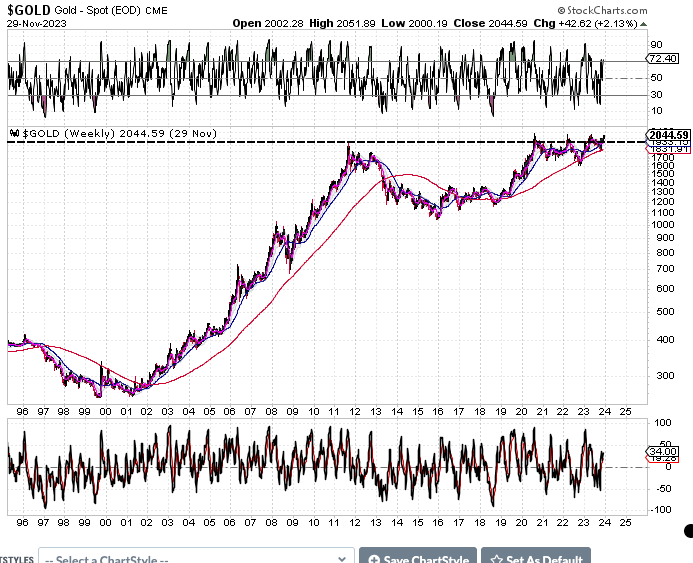
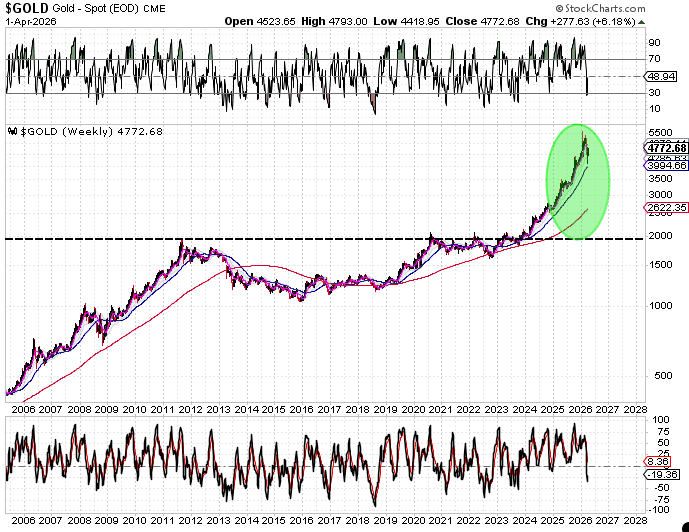
Gold spent over a decade consolidating before breaking out, eventually delivering a
149% advance before declining into its intermediate cycle.
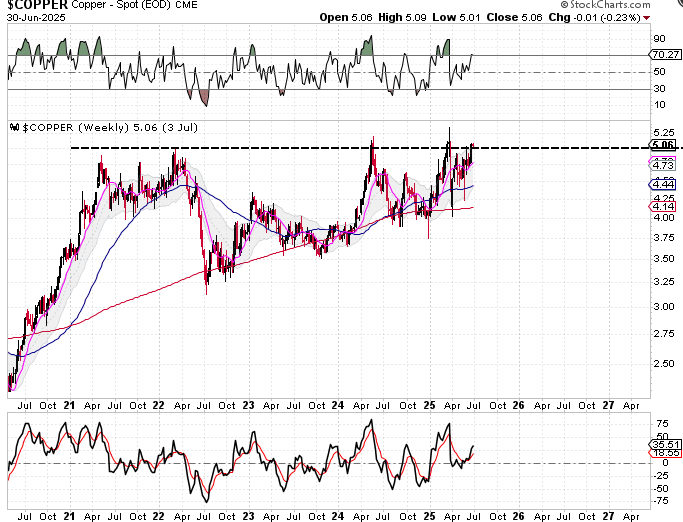
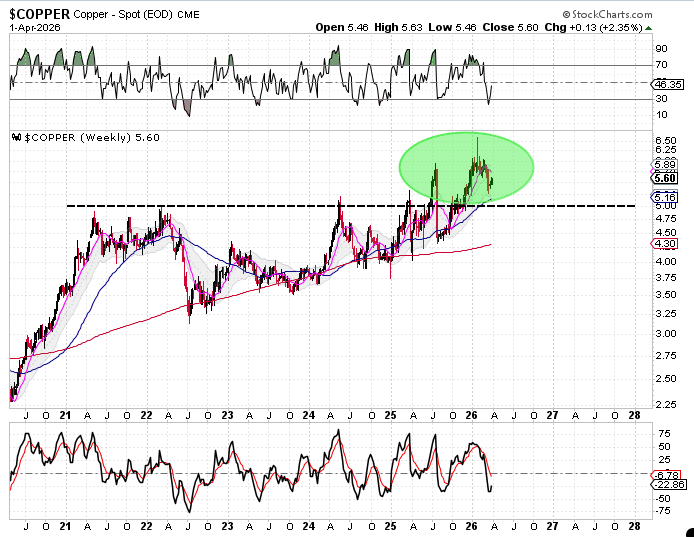
Copper followed a similar path, breaking out of a multi-year base and advancing 20% before entering an intermediate cycle decline.
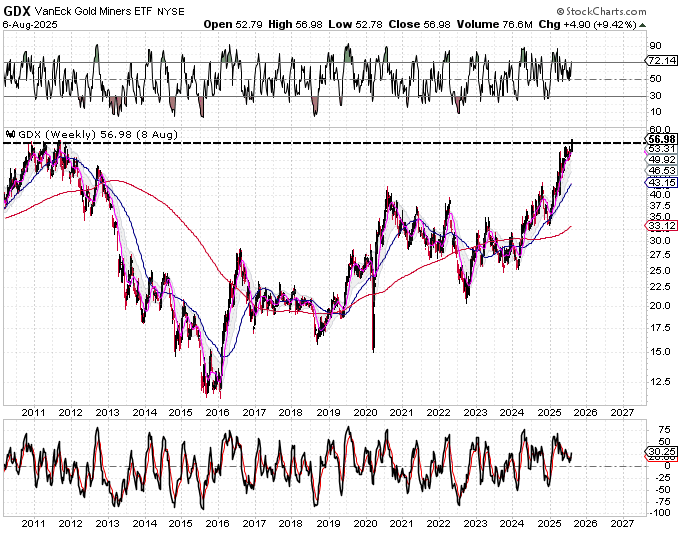
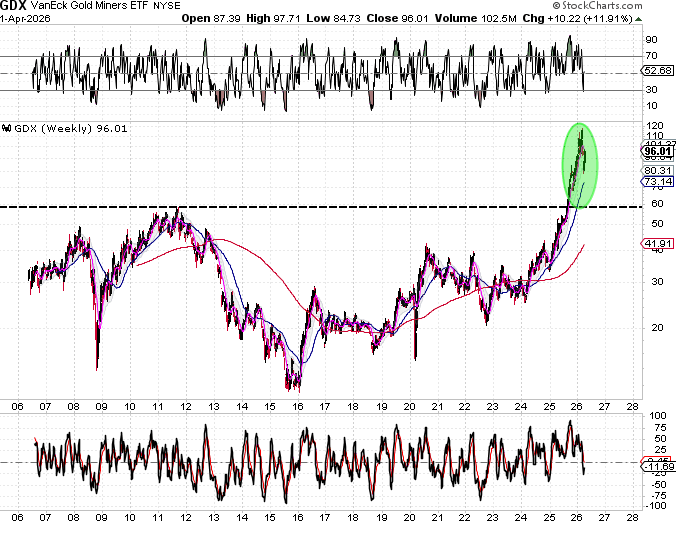
The Miners broke out after a 15-year consolidation and rallied approximately 95% before rolling into their intermediate cycle decline.
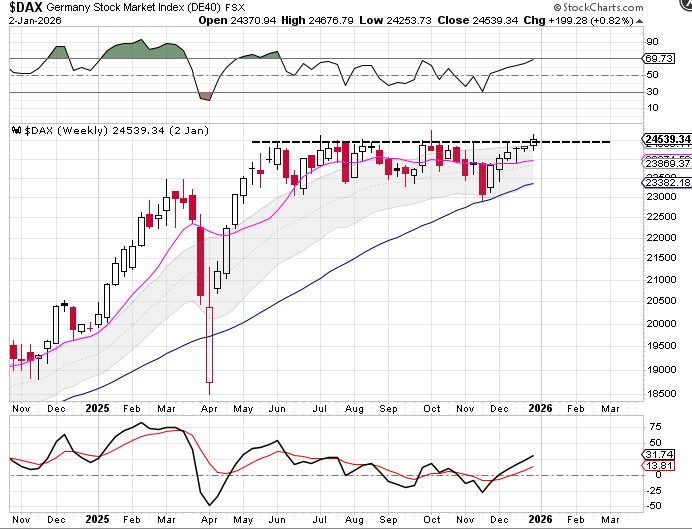
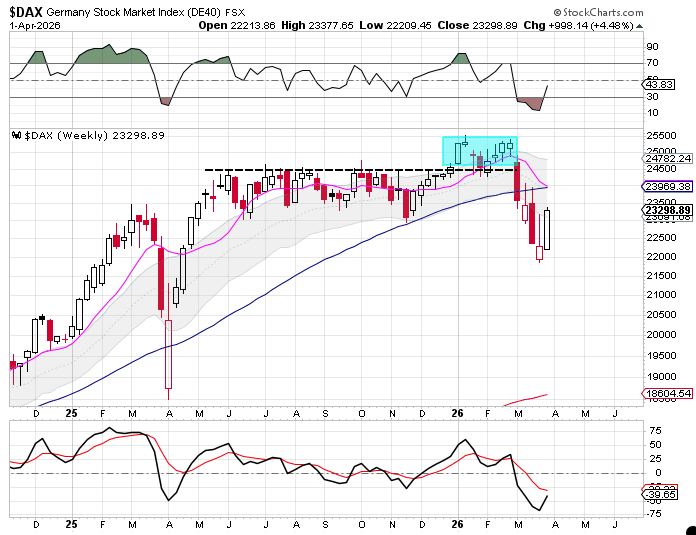
Even shorter structures follow the same pattern. The DAX consolidated for 8 months before breaking out. While the move was more limited at 4%, it still followed the same sequence — consolidation, breakout, then cycle decline.
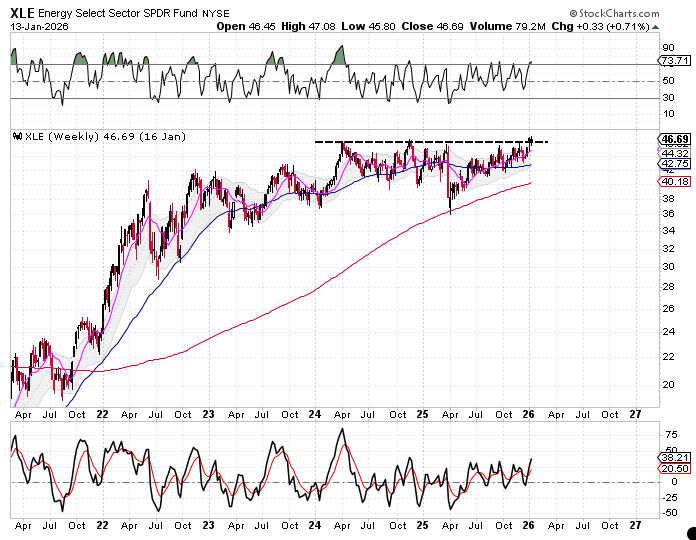
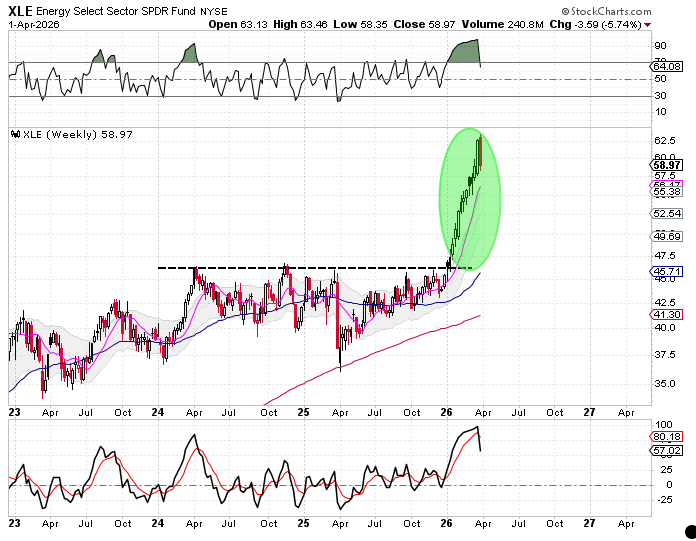
And most recently, XLE adds a current example. XLE consolidated for approximately two years before breaking out in January, rallying roughly 37%. It is now pulling back and may have begun its intermediate cycle decline, reinforcing the same structural sequence. What is consistent across all of these examples is not the magnitude of the move, but the structure.
STOCKS — CURRENT SETUP
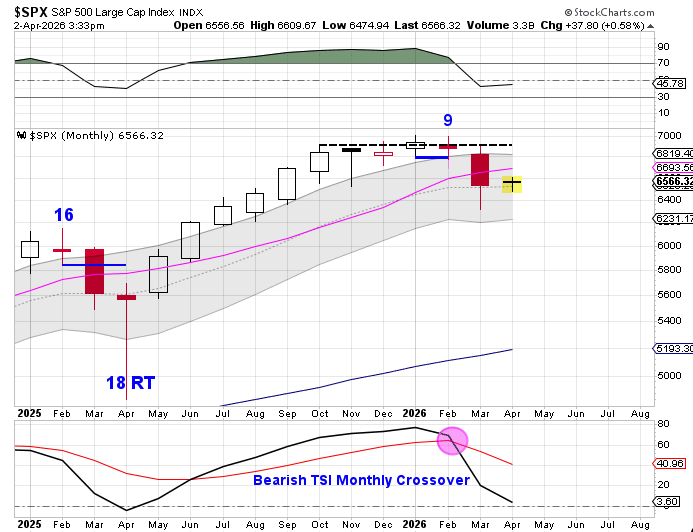
Stocks are currently in a 7-month consolidation below the 7000 level. Unlike the prior examples, this structure has not yet resolved. From a cycle perspective, stocks are in the process of seeking a daily, weekly, and yearly cycle low. This alignment is important. If a yearly cycle low forms, it would create the conditions for a breakout from this consolidation. However, confirmation will be needed. Until a cycle low is confirmed and key levels are reclaimed, the consolidation remains intact. Timing alone is not sufficient — structure must confirm.
CONCLUSION
The takeaway is not that all breakouts lead to large moves. It is that consolidation defines opportunity. The longer and more established the structure, the more important it becomes to recognize when it begins to resolve. Each of the assets above followed the same sequence — compression, expansion, then cycle decline.
Stocks are now in that same compression phase. If a cycle low forms and price begins to break out of this 7-month range, then the next phase of expansion could begin. If not, the consolidation may continue. Preparation, not prediction, is the edge.
In the next post, I’ll walk through how I track these cycle developments in real time — including the framework I use to identify cycle lows, confirm breakouts, and manage risk as trends begin to develop.
 Cycle Trading
Leave a comment